Side 01
The cardholder
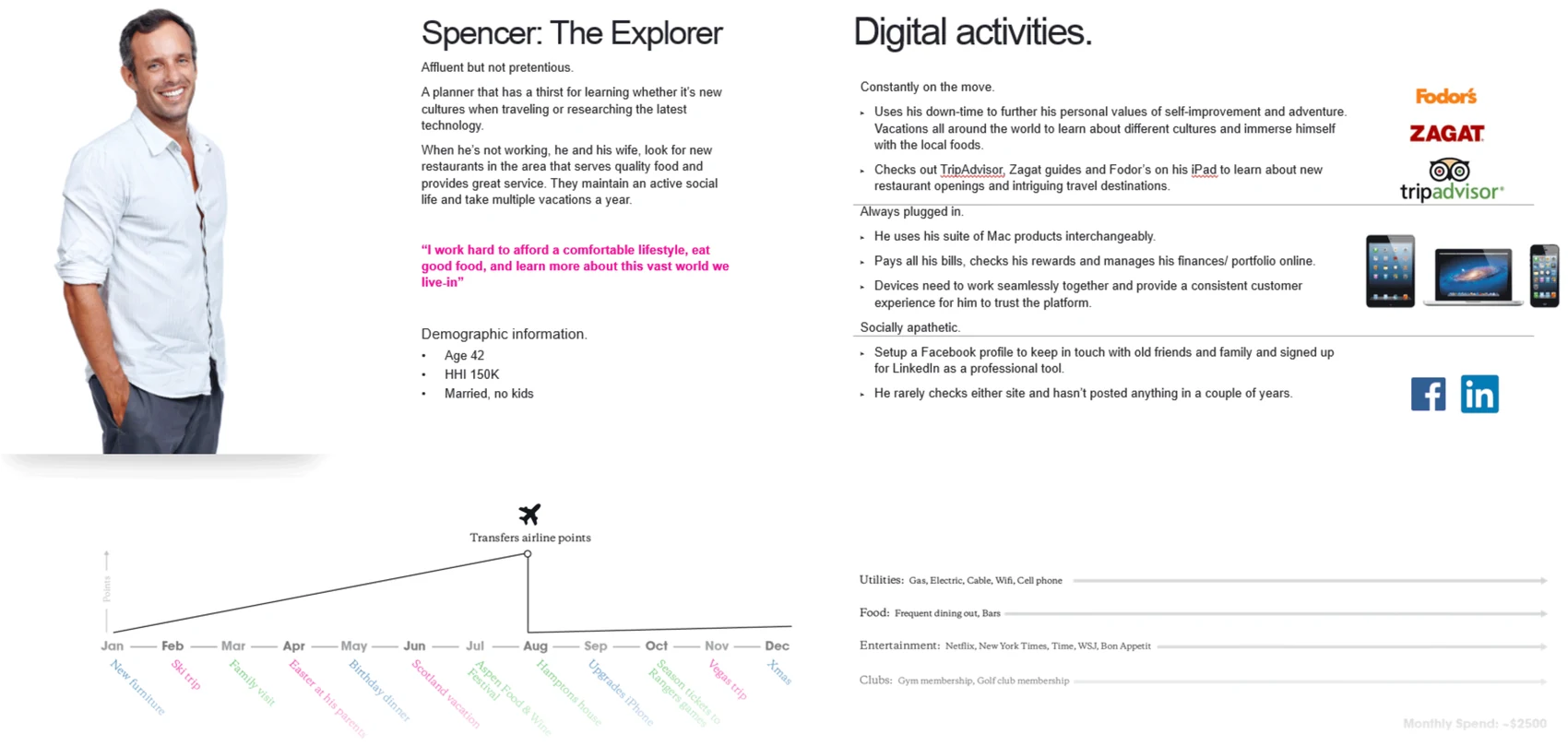
Wants recognition without surveillance. The experience had to feel like a benefit being extended rather than data being harvested, with explicit control over what was shared and when.
Chase knew everything about its Sapphire cardholders. Their hotels knew nothing. The design problem was to build the bridge: a two-sided product joining no-swipe payment to a guest profile the hotel could actually act on.
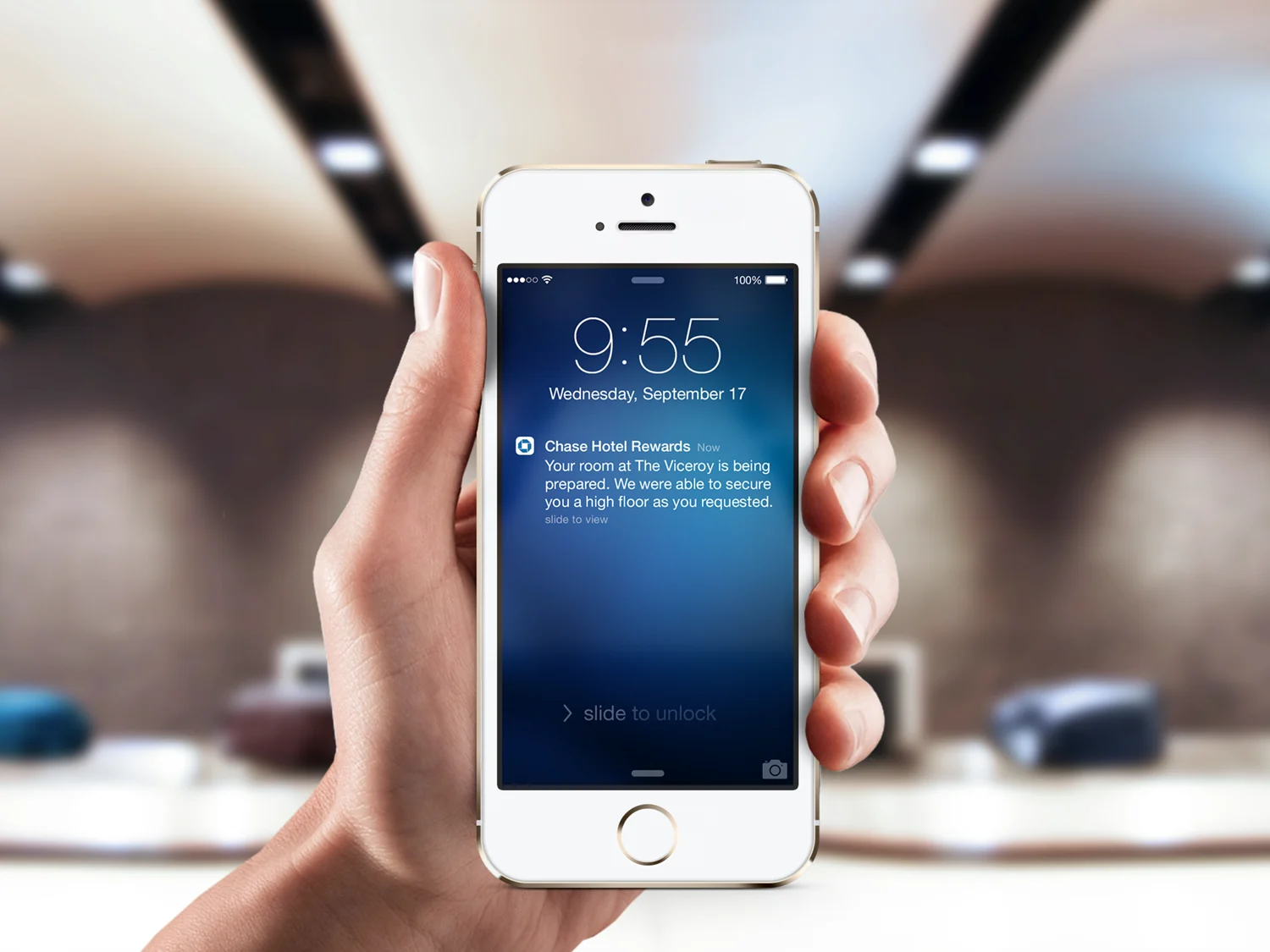
For years, premium credit card rewards operated on a single, tired mechanic: spend money, accumulate points, redeem points. The value exchange was transactional by design. You swiped, you earned, you eventually clicked through a portal and booked something.
Chase knew the ceiling on this model. Their Sapphire cardholders were spending $5,000 a month or more, staying in hotels 40+ nights a year, eating at fine dining restaurants twice a week. These were not people motivated by points. They were people who wanted to feel recognised.
The existing travel experience for a Sapphire cardholder looked like this: book a hotel through the Ultimate Rewards portal, receive a generic confirmation email, arrive at the hotel as a complete stranger. The hotel had no idea who you were, what you liked, or why you were there. Chase had all of that information and no way to put it to work.
The gap between what Chase knew about its cardholders and what those cardholders actually experienced was the problem.
In 2014, Chase came to us with an initiative called Innovating Hospitality, structured across three workstreams: Ultimate Rewards (integrating card value with the broader rewards ecosystem), Sapphire Dining (inserting Chase into meaningful dining experiences), and Hotel Rewards (enhancing the hotel stay for Sapphire cardholders). I led the Hotel Rewards workstream.
The brief had two layers. The first was strategic: could we design a new value exchange that went beyond the standard convention of awarding points for transactions? The second was practical: deliver a functional prototype within ten weeks that could initiate and run a pilot programme with participating hotels.
We were entering highly contested space. TripIt, TripAdvisor, TripCase and Concur were all fighting for the same real estate on the business traveller's phone. American Express was already ahead of the field with its concierge services. The question was not whether Chase could build a travel app. It was whether Chase could build something neither travel apps nor rival card products could match: an experience that used transactional data to create something personal.
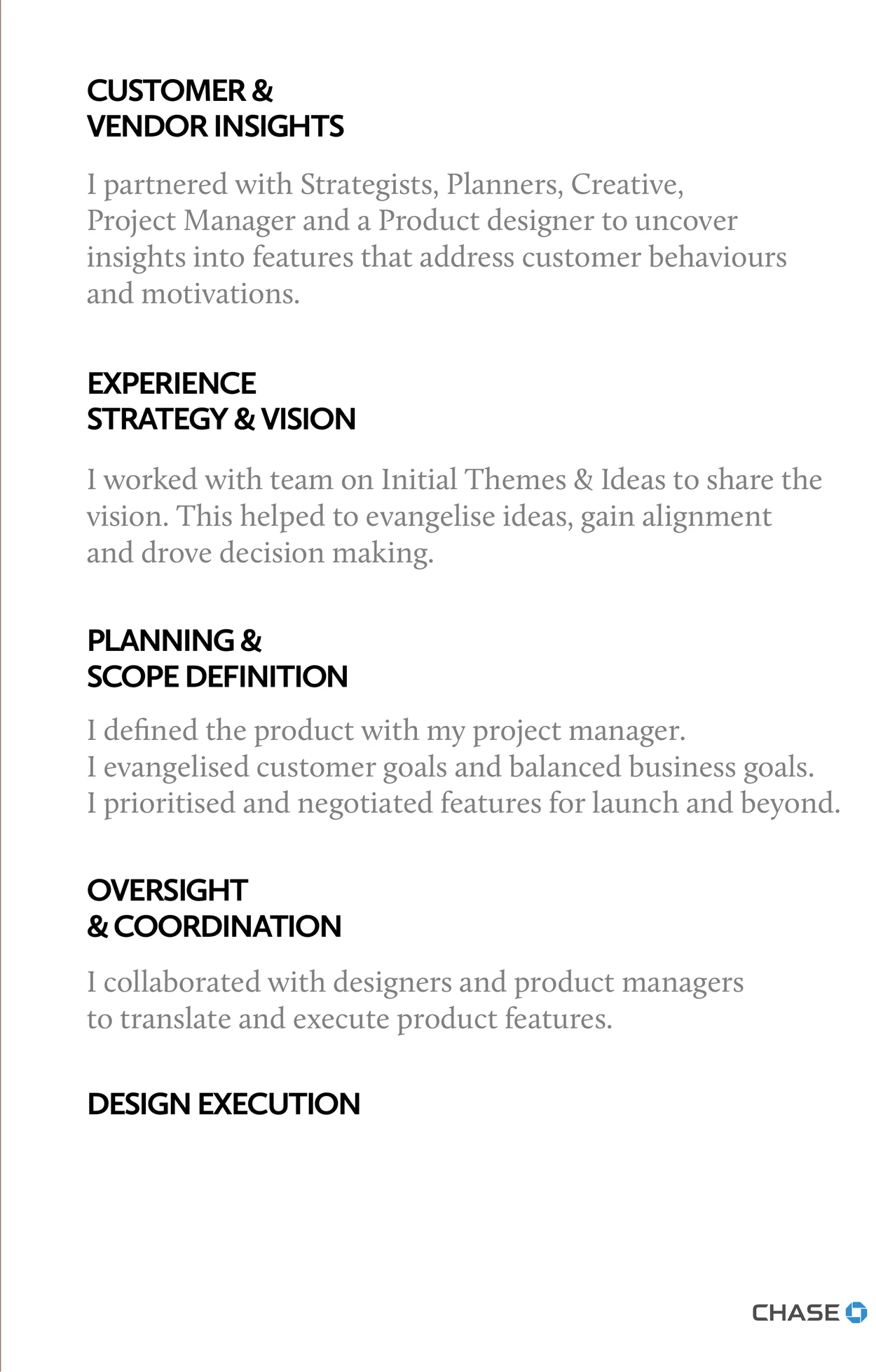
The first decision was about scope. It would have been possible, and much easier, to design a better booking and itinerary experience for the cardholder and call it done. We argued against it. A better booking flow does not change the moment that actually matters, which is arrival: the point at which a valuable customer walks into a hotel and is treated as an anonymous reservation.
That meant the product had to be two-sided.
Wants recognition without surveillance. The experience had to feel like a benefit being extended rather than data being harvested, with explicit control over what was shared and when.
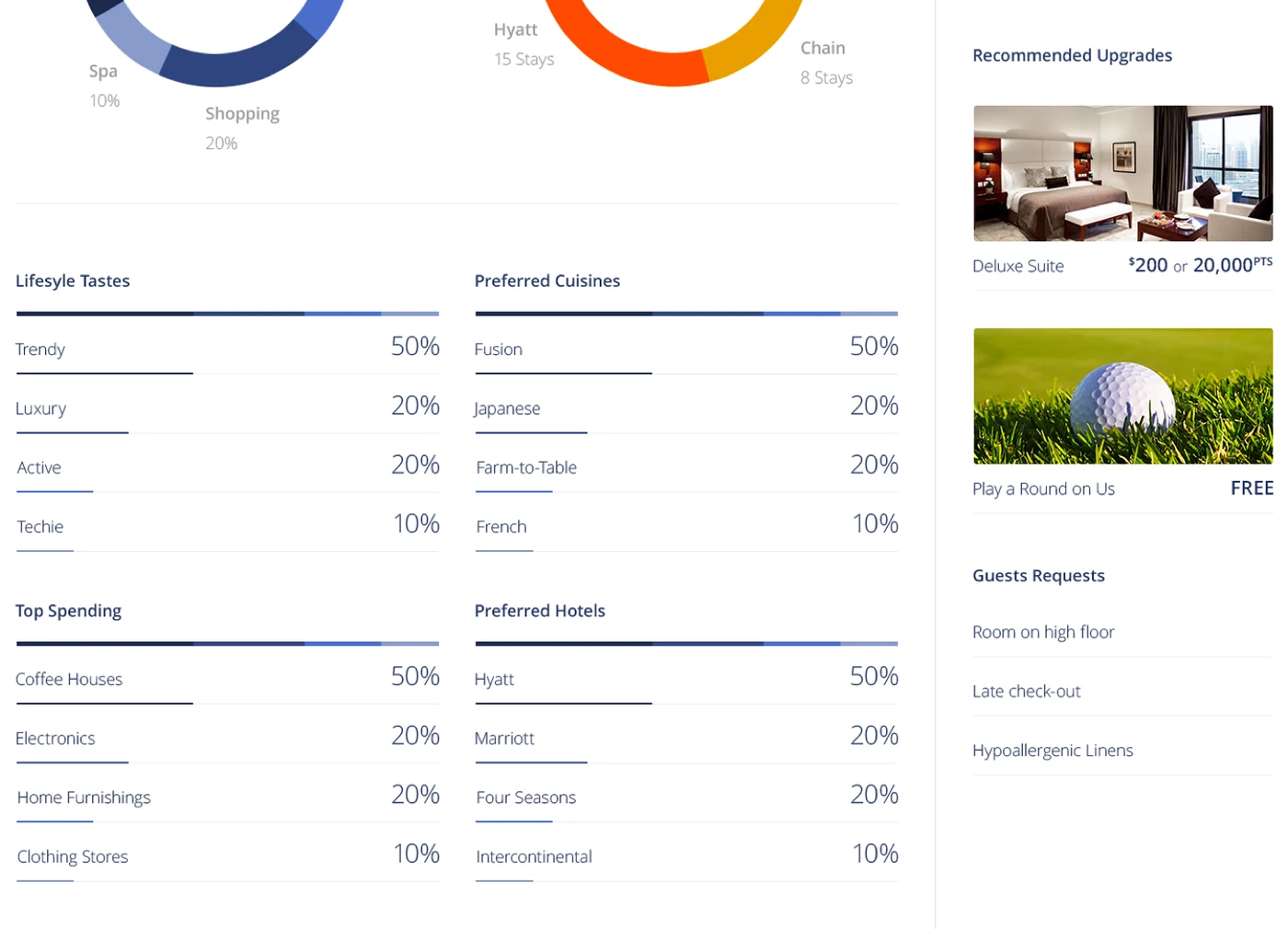
Needs something actionable in the ten seconds before a guest reaches the desk. Not a profile to read, but a small number of specific, usable signals surfaced at the right moment in an operational workflow.
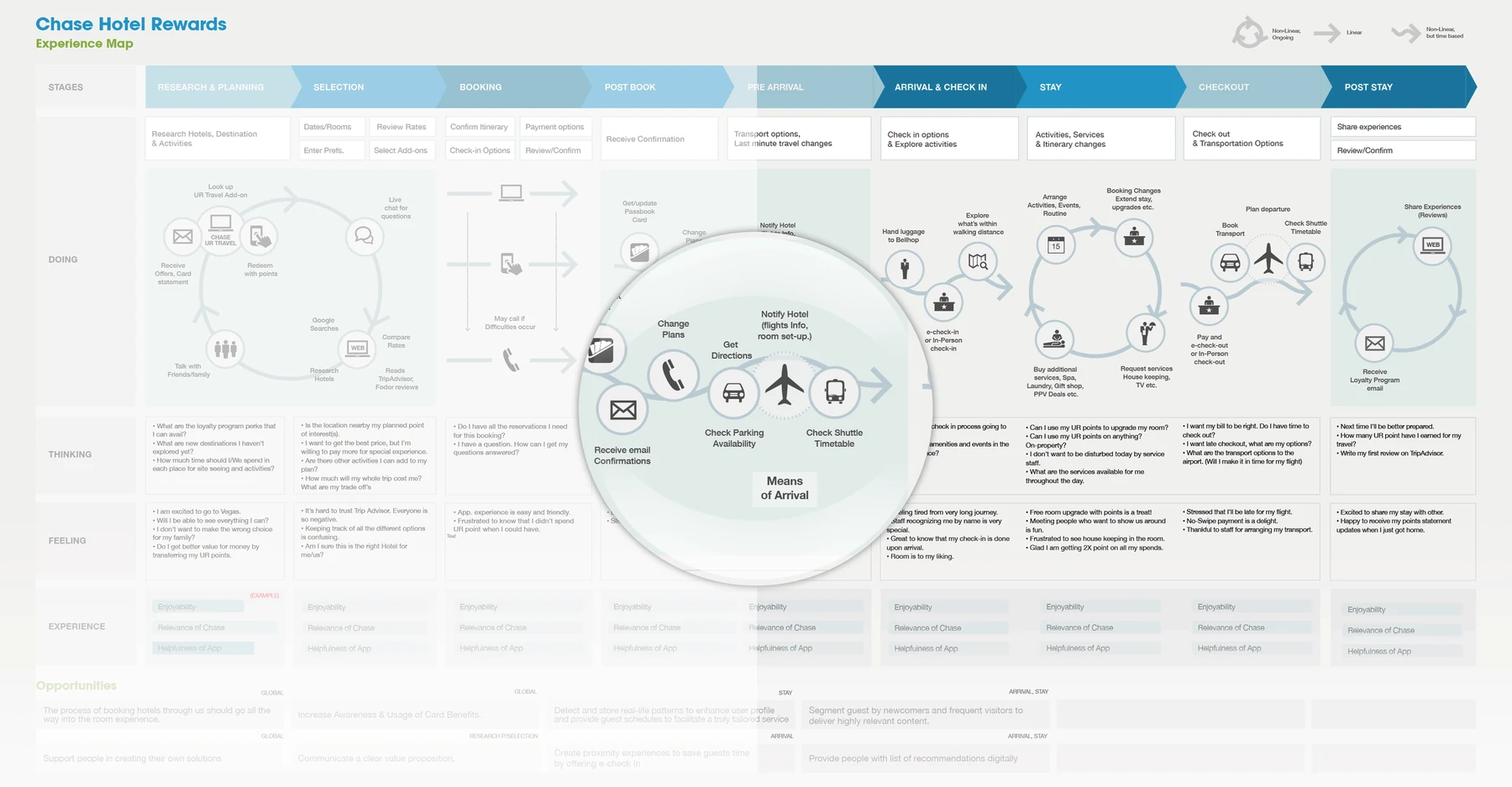
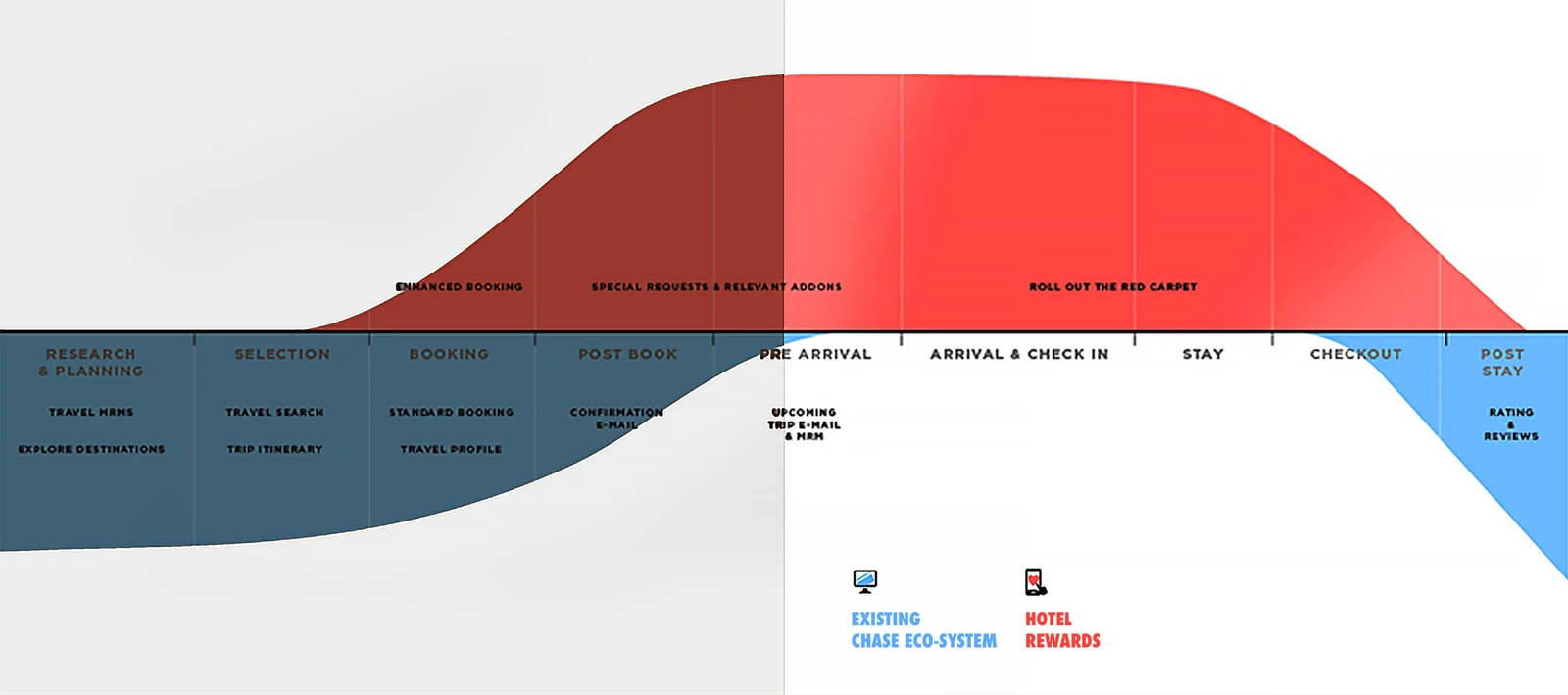
The same underlying data had to serve both sides while feeling legitimate to each. Getting the cardholder experience right was not sufficient if the hotel dashboard failed to give staff something they could act on the moment a guest walked in. Equally, any staff-facing feature that made the cardholder feel tracked would have destroyed the proposition entirely.
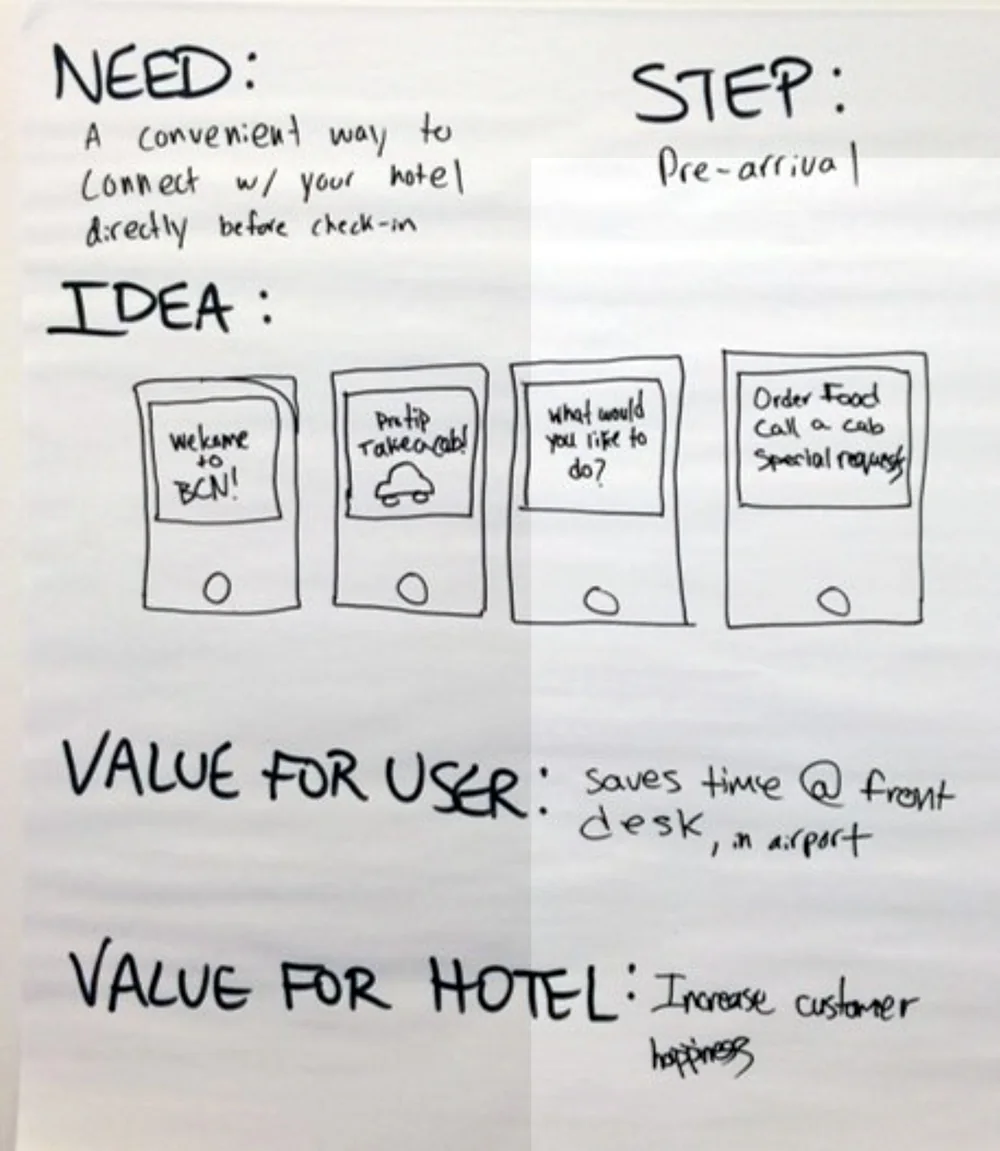
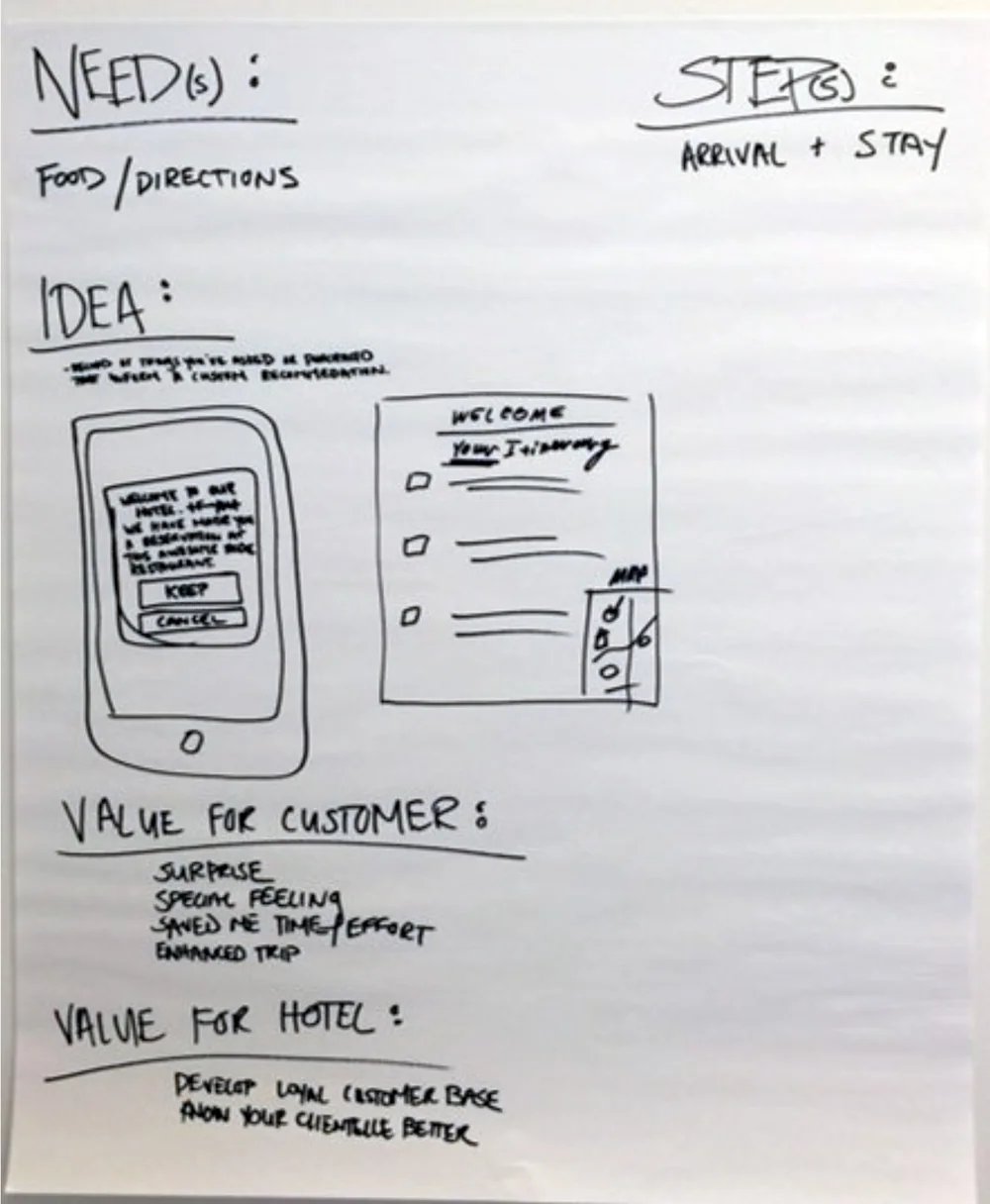
Most consumer products have one primary user. This one had two, with fundamentally different goals, served simultaneously by the same underlying data.
The timeline was not negotiable, so scope was managed against it continuously. We designed to what could realistically be stood up with participating hotel partners rather than to an unconstrained concept, which kept the prototype credible as an operational pilot rather than a showcase.
Two mechanisms make it work, and neither is a screen.
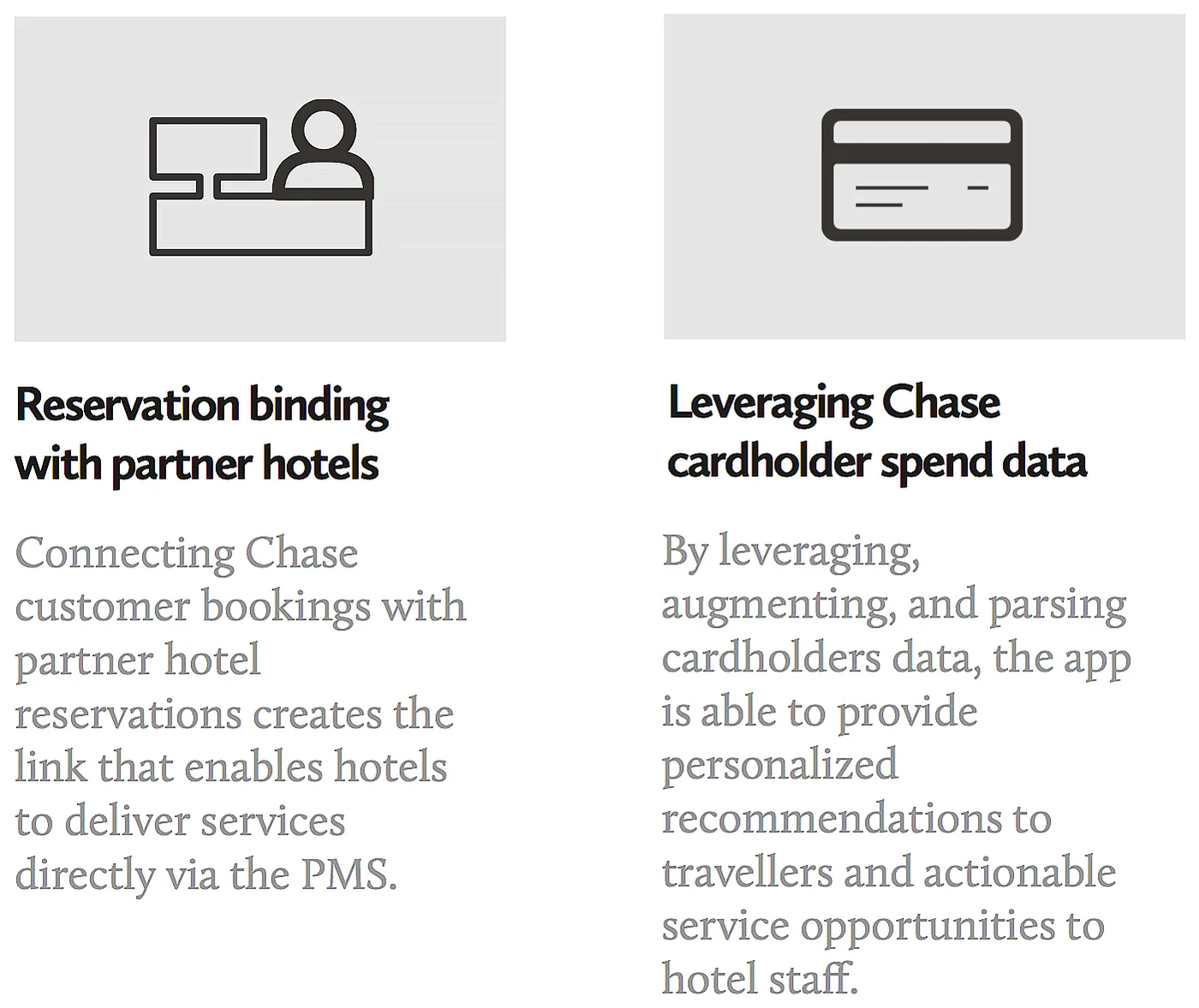
Connecting a Chase booking to the partner hotel’s reservation creates the link that lets the hotel deliver services directly through its own property management system. No new operational tooling for the hotel to adopt.
Parsing and augmenting card spend turns transaction history into personalised recommendations for the traveller, and actionable service opportunities for hotel staff.
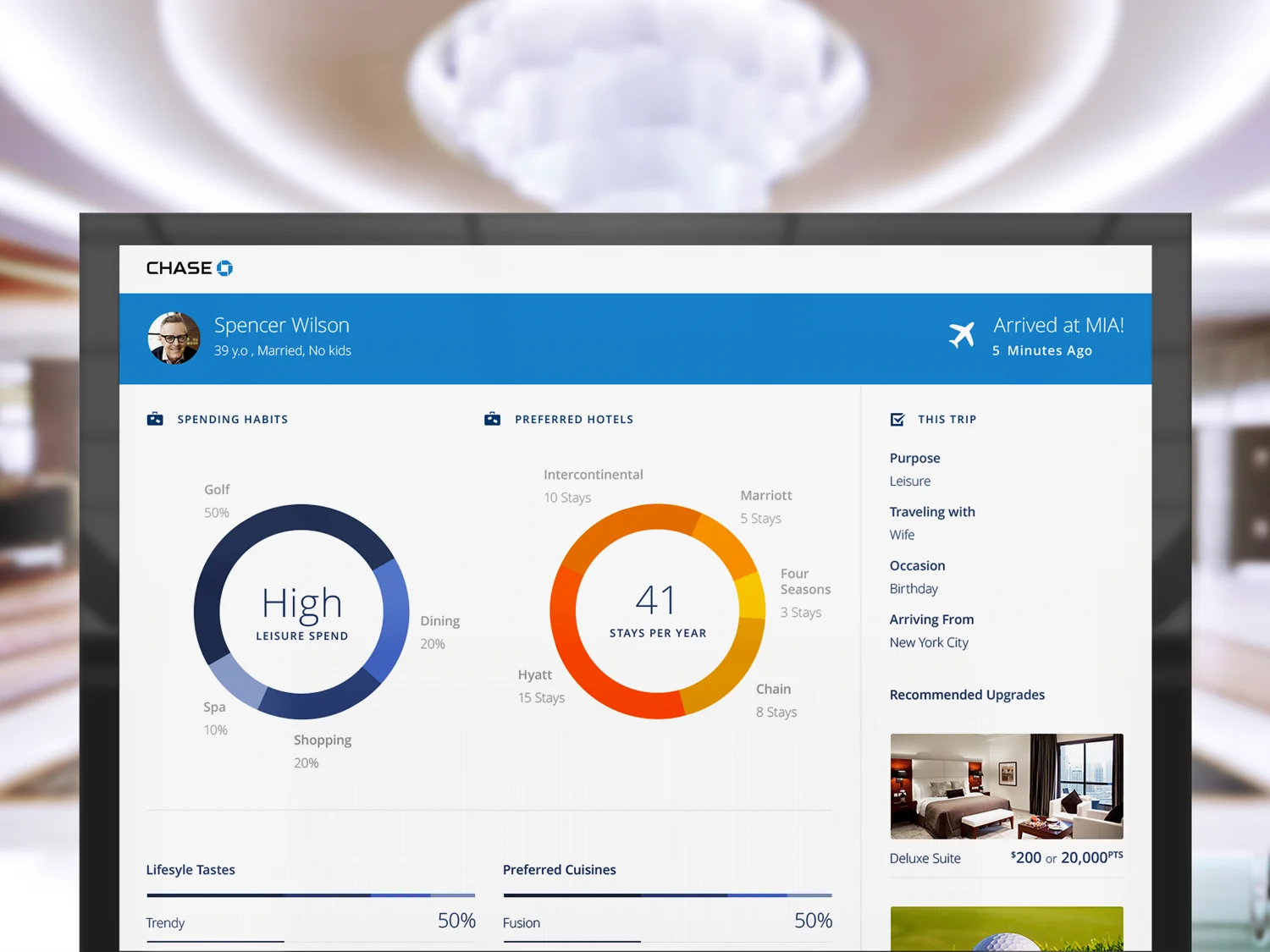
The translation is the heart of it. Category and merchant spend, travel preferences and location history on the Chase side become something a hotel can read at a glance: a luxury traveller, married, no children, who enjoys fine dining, Italian, Japanese and golf, trending trendy and technophile.
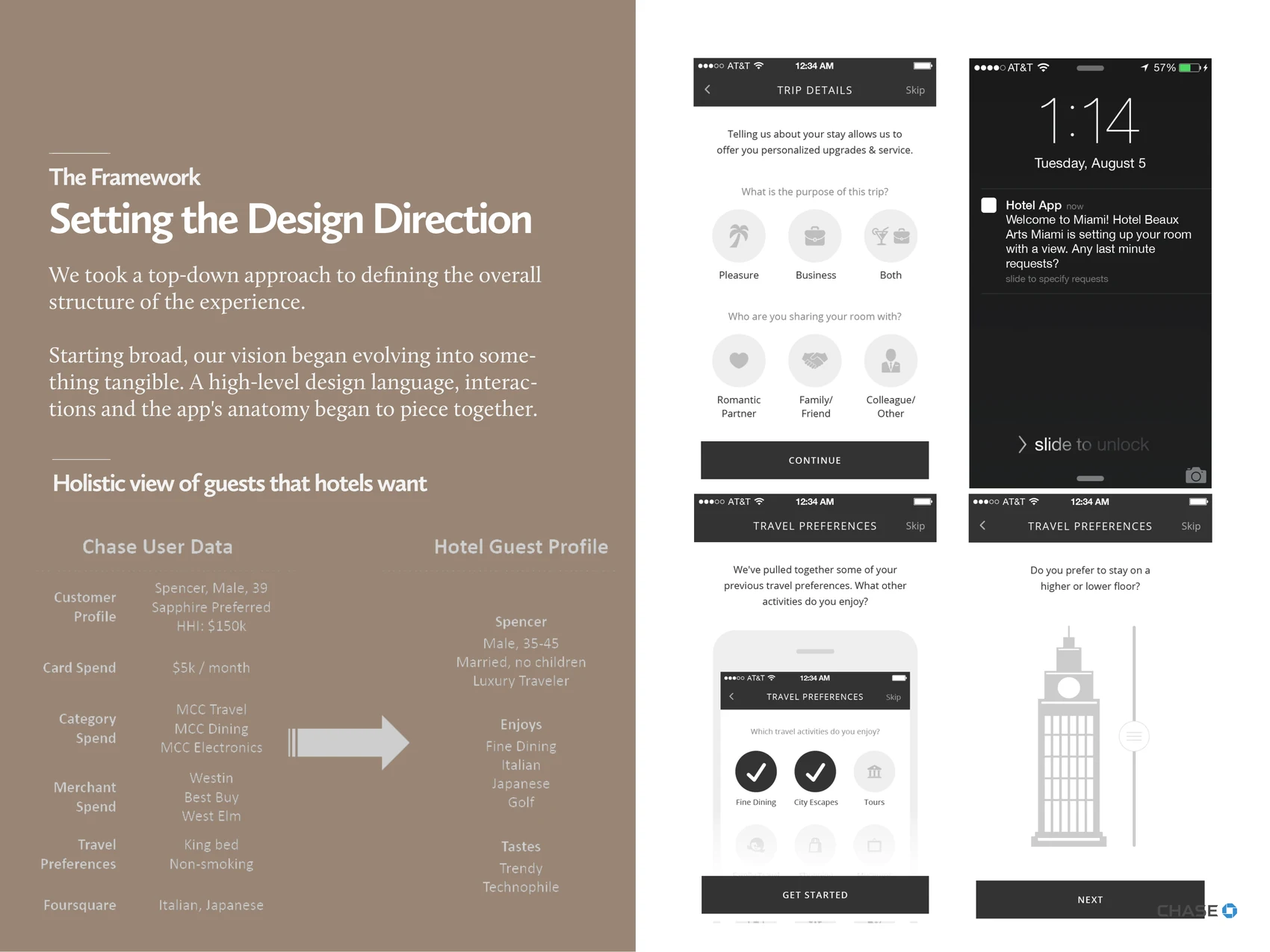
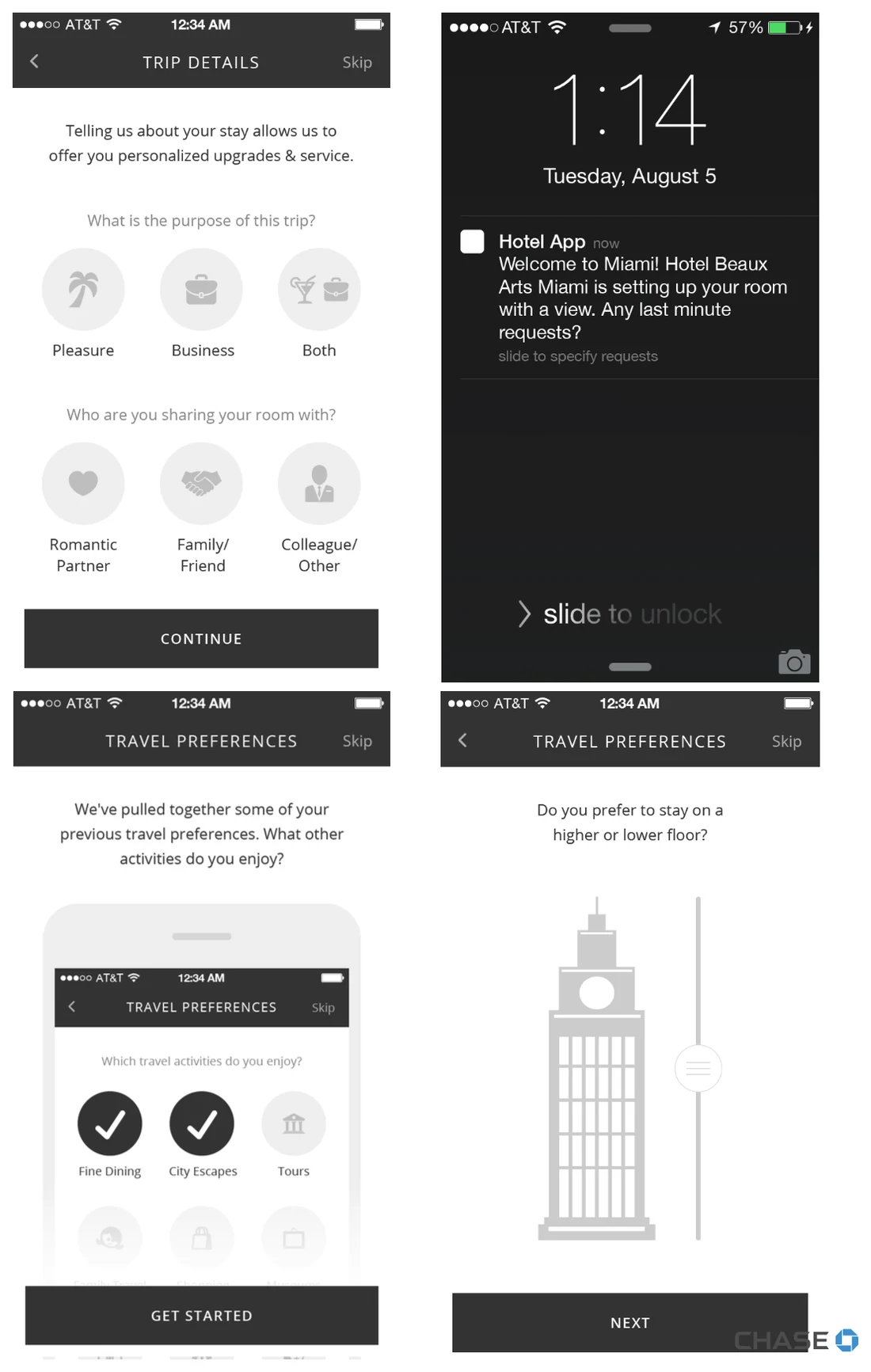
Preferences collected at onboarding and from Ultimate Rewards travel are selected by default, and the app suggests common guest requests the partner hotel can accommodate. Recognition arrives before you do.
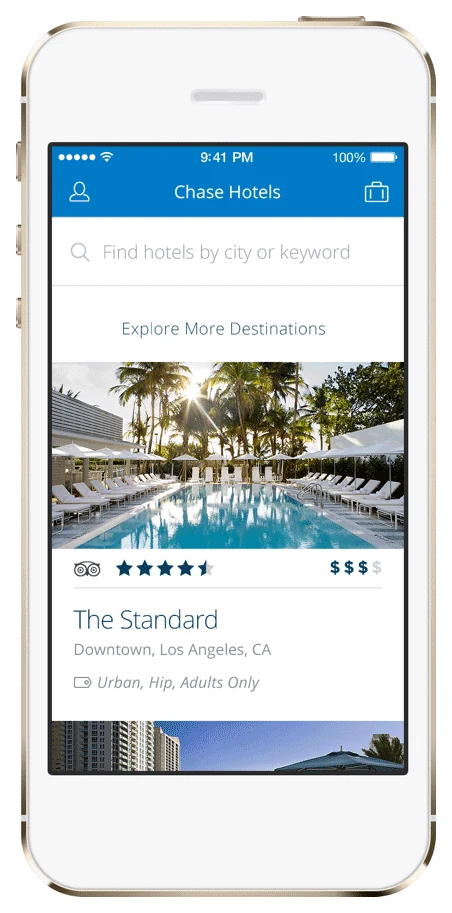
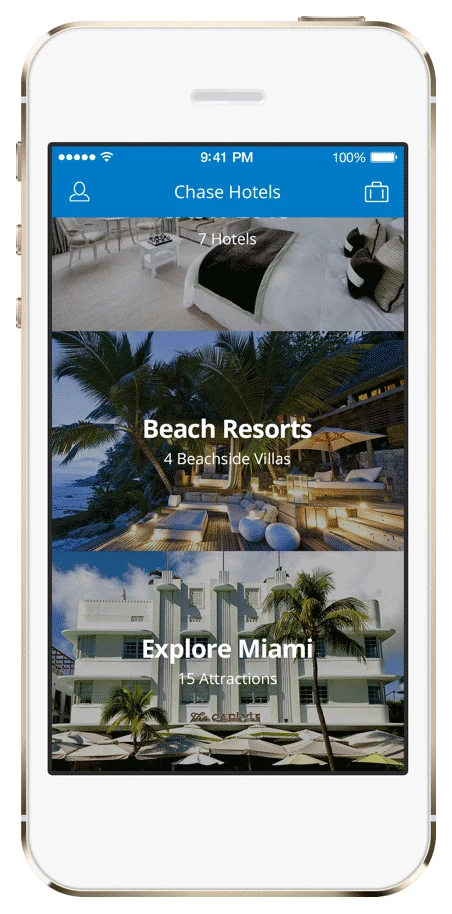
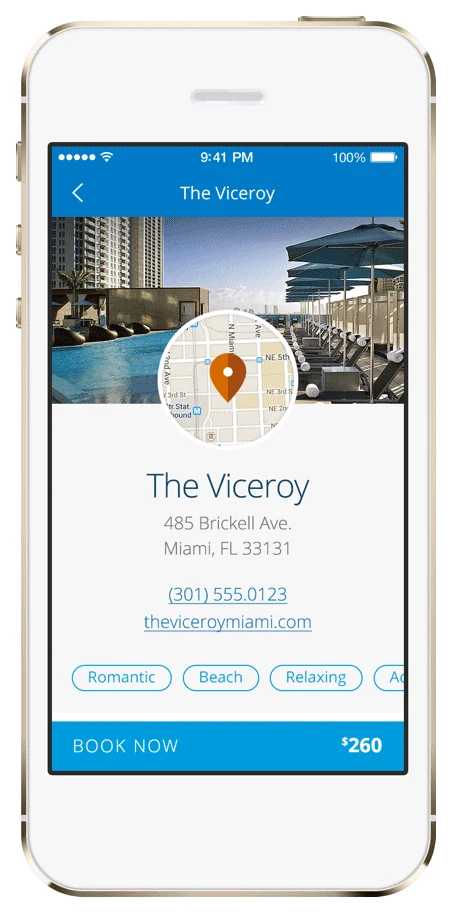
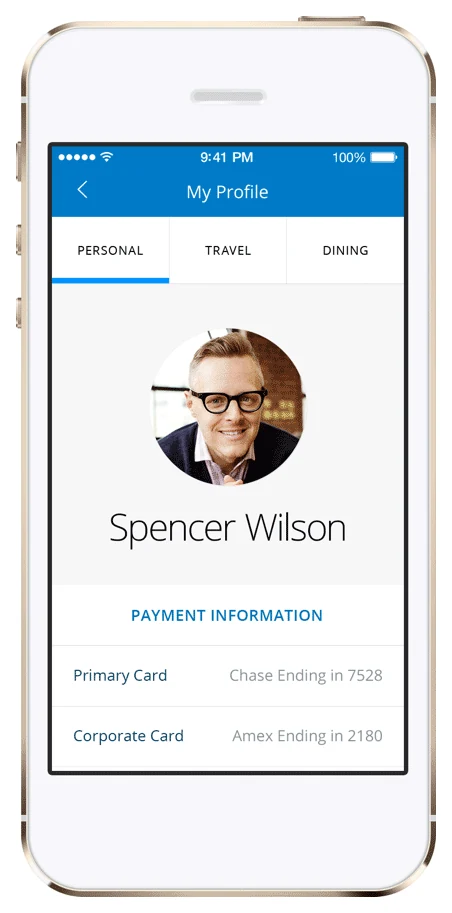
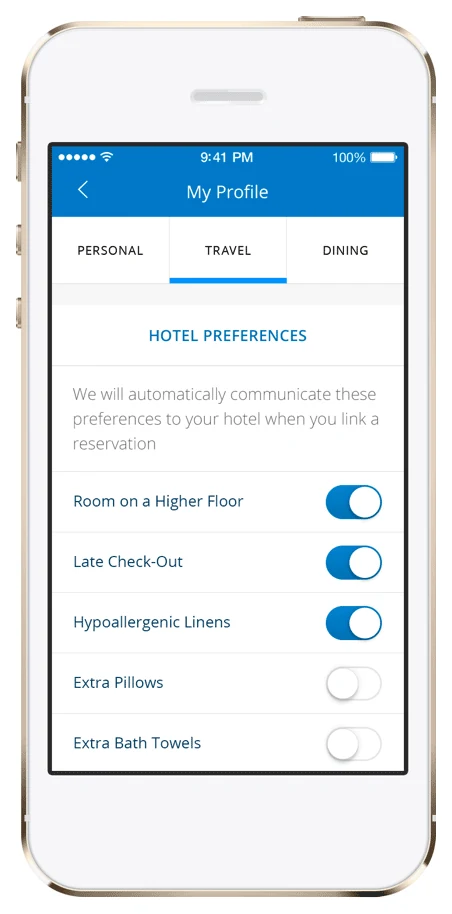
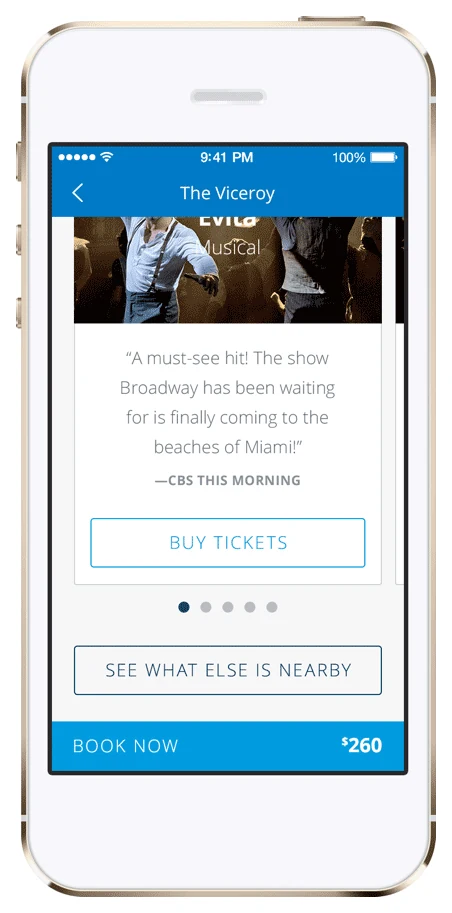
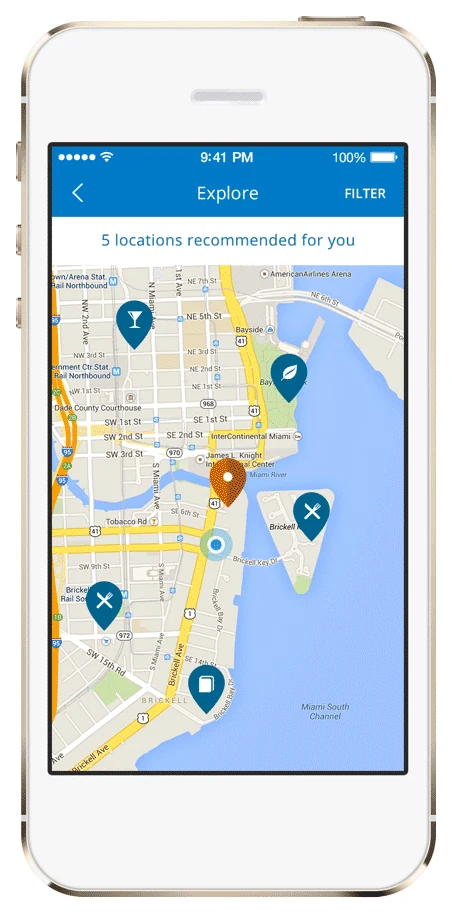
Staff get the guest’s travel-related spending habits, the purpose of the stay and any special requests, plus recommended upgrades drawn from the hotel’s own inventory. Arrival is flagged the moment the guest lands.
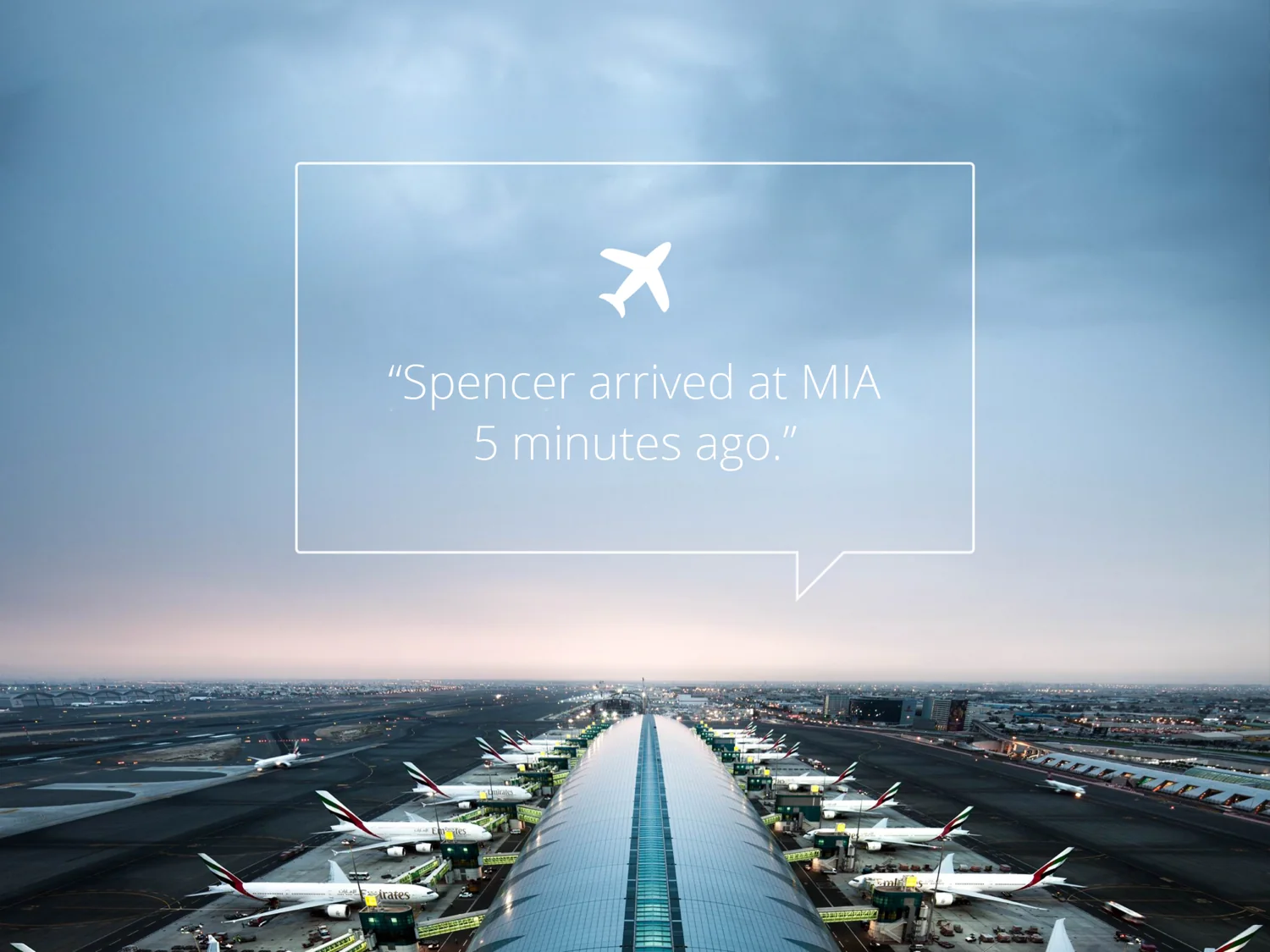
The result was the first initiative of its kind in premium card rewards: a two-sided product built on a dataset the industry already had and had never known how to use.
The two-sided design problem was hard. Most consumer products have one primary user. This one had two users with fundamentally different goals who needed to be served simultaneously by the same underlying data, with a trust architecture that worked for both.
Looking back, I would have pushed harder to get live hotel partners into the research phase earlier. We designed the hotel dashboard with a good understanding of what Chase needed, but with limited direct input from hotel operations teams about how they actually process guest intelligence at the front desk during check-in. Getting that earlier would have sharpened the information hierarchy on the staff-facing side.
Chase had a relationship with its cardholders. Hotels had a relationship with their guests. The design challenge was building the bridge between them in a way that felt like neither had been compromised.